


A household switches between two milk sources over a few months and notices something odd, the same “organic” label, yet one tastes noticeably richer and the other thinner and almost watery by comparison. It’s not an inconsistent batch or imagination. What a cow eats shapes almost everything about the milk that follows, fat content, protein levels, taste, and even colour, and two farms following different feeding practices can produce distinctly different milk despite carrying the same certification.
The connection is worth tracing properly. What follows looks at how feeding practices shape fat content, protein levels, and taste, why grazing versus grain makes a measurable difference, and how a farm’s approach to nutrition ends up determining far more about the final product than the label on the bottle. For anyone sourcing cow milk in Chennai, that’s usually the more useful question to ask than which certification a carton happens to carry.
Why Diet Directly Shapes Milk Composition
A cow’s diet doesn’t just affect how much milk it produces, it directly determines the nutritional makeup of that milk. Fat content, protein levels, and the balance of specific fatty acids all shift depending on what a cow eats day to day. This is why milk composition is not a static, uniform outcome on every farm, it is a direct reflection of feeding practices, access to pasture and overall animal health.
Pasture-Based Grazing Versus Grain-Heavy Feed
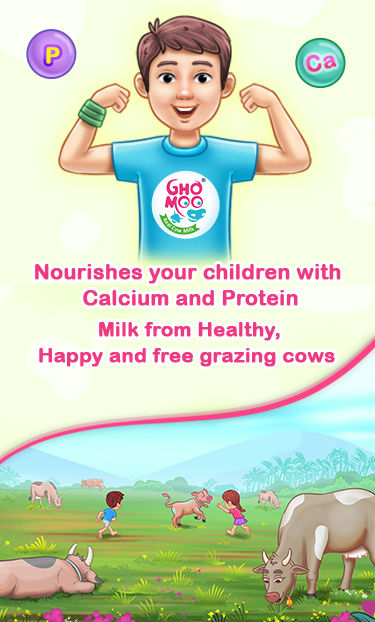
This is where the biggest quality differences tend to show up. Pasture-based grazing produces milk notably higher in omega-3 fatty acids and conjugated linoleic acid, along with a richer colour and flavour linked to the beta-carotene found in fresh grass, though overall volume stays moderate and tied closely to how much quality pasture is actually available. Grain-heavy feed tends to move in the opposite direction, delivering more stable, weather-independent volume and a milder, less pronounced flavour, but with comparatively lower levels of those same beneficial fatty acids.
Seasonal consistency is another split along similar lines, pasture-based milk can be variable unless grazing is actively managed, while grain-fed output tends to be more stable no matter the time of year. Neither method wins out in every measure and that is exactly why farms that balance both methods tend to produce the most consistent results over time.
Seasonal Variation and Its Significance
Within a single farm applying consistent practices, the composition of milk can vary quite a bit across seasons, as pasture quality and availability will naturally vary year-round. The monsoon months can often translate to lush, nutrient-dense grazing and drier stretches to more reliance on supplemented feed to maintain consistent nutrition. Farms that actively manage this seasonal shift rather than passively allowing milk quality to wax and wane with the weather tend to deliver more consistent milk quality year-round.
Protein and Fat Content Tied Directly to Feed Quality
The percentage of protein and fat in milk is directly related to the quality and consistency of feed as well as the profile of fatty acids. Here are a few things that affect this:
- Adequate protein intake in a cow’s diet directly supports protein levels in the milk produced
- Consistent, high-quality feed supports more stable fat content across milking cycles, rather than the fluctuation that comes with inconsistent or lower-quality feed
- Mineral and vitamin supplementation, when properly balanced, supports overall milk quality without artificially inflating volume at the expense of nutrient density
- Overfeeding or poor-quality feed can lead to health issues in cows that indirectly affect milk quality, sometimes for extended periods afterward
None of these factors work in isolation, which is why consistency in feed quality tends to matter as much as the quality of any single ingredient.
Why Poor Nutrition Practices Hurt Milk Quality Long Term
Cutting corners on cow nutrition rarely shows its cost immediately. Yield figures can look perfectly healthy for months before the underlying quality issues become apparent, which is precisely what makes this an easy area to neglect. A handful of consequences tend to follow when feeding practices are left inconsistent:
- Reduced nutrient density in the milk itself, even as volume output holds steady
- A higher likelihood of digestive and metabolic issues in cows, with knock-on effects for milk composition
- Wider variability between batches, making it harder for a farm to promise the same quality every time
- A gradual decline in herd health that, left unaddressed, eventually drags both yield and quality down together
Farms that chase short-term output at the expense of steady, well-considered nutrition tend to encounter these costs later, and by then, quality is considerably harder to restore than it would have been to protect in the first place.
How Feeding Practices Translate Into the Glass
For a household weighing different milk sources, this link between what a cow eats and what ends up in the bottle explains much of the variation that otherwise seems arbitrary. Milk from well-managed, pasture-supported herds tends to show up as richer taste, more consistent texture, and a colour that reflects real grazing rather than purely grain-based feeding. This isn’t a marketing distinction, it’s a direct, measurable outcome of what happens well before milk ever reaches a bottle.
Managing Nutrition for Consistent Quality
GhoMoo works directly with its own farm and a network of trained local farmers, maintaining feeding standards that prioritise pasture access and balanced nutrition rather than maximising short-term yield at the expense of quality. This attention to what cows are actually eating is part of why milk sourced this way tends to show more consistent richness and nutritional density across seasons, rather than fluctuating unpredictably with whatever feed happens to be cheapest at a given time.
For households noticing inconsistent quality between milk sources, fresh milk in Chennai sourced from farms that actively manage cow nutrition, rather than treating it as an afterthought, tends to deliver a more dependable result glass to glass.
That household noticing a difference between two “organic” sources wasn’t imagining it. The certification tells you what wasn’t used, synthetic pesticides, routine antibiotics, but it doesn’t fully capture how well a specific farm manages the feeding practices that actually determine what ends up in the milk itself. Understanding that distinction turns a confusing inconsistency into something a household can actually evaluate and choose around.