
A parent pours a glass of milk for their child every morning and assumes the job is done, protein sorted, calcium covered, nutrition handled. Then a friend mentions that not all milk delivers the same nutritional punch, and suddenly that assumption feels shakier. The truth is, what’s actually inside a glass of milk depends heavily on how the cow producing it was raised and fed. When sourced correctly, organic milk in Chennai usually has a different nutrient profile compared to regular options. Knowing what that profile really means, makes a regular purchase an informed one.
Why Organic Milk’s Nutrient Profile Stands Apart
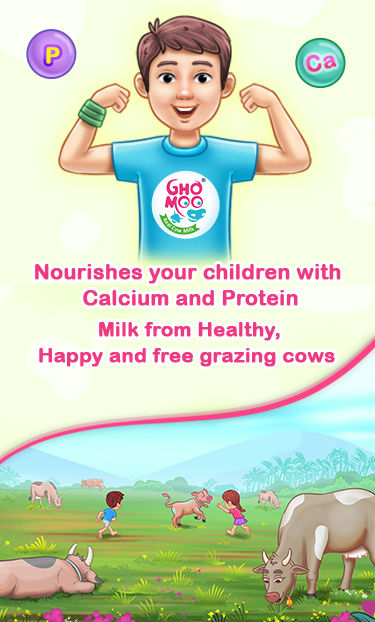
Organic farming standards restrict the use of synthetic hormones, routine antibiotics and certain feed additives that are common in conventional dairy operations. This alone changes the nutritional starting point. But the bigger factor is usually diet, cows raised on pasture-heavy, minimally processed feed tend to produce milk with a different balance of fats, proteins and micronutrients than cows raised primarily on grain. Organic certification often overlaps with these feeding practices, though not always automatically, which is why the sourcing behind a carton matters as much as the label itself.
Protein Quality Worth Paying Attention To
Milk is a well-known protein source, but the quality of that protein depends on the animal’s diet and overall health.
- Well-fed, healthy cows tend to produce milk with more stable and complete protein content
- Amino acid profiles in milk protein support muscle repair and everyday cellular function
- Consistent feed quality reduces the fluctuation in protein levels that shows up with poor nutrition management
- Protein density affects how filling and nutritionally useful a glass of milk actually is
For households tracking protein intake, whether for growing children, active adults or older family members, this consistency matters more than people usually realise.
Fat Content and the Fatty Acids Behind It
Fat in milk isn’t just about creaminess. The type of fat matters just as much as the amount.
- Pasture access tends to raise levels of omega-3 fatty acids in milk
- Conjugated linoleic acid, linked to several health benefits, also shows up more in pasture-fed milk
- Fat content influences how the body absorbs certain fat-soluble vitamins present in milk
- A richer fat profile often correlates with better taste and texture, not just nutrition
This is one of the clearer examples of how a cow’s diet directly shapes what ends up in the bottle.
Vitamins That Come Along With Every Glass
Milk carries a handful of vitamins that many people don’t associate with dairy at first thought.
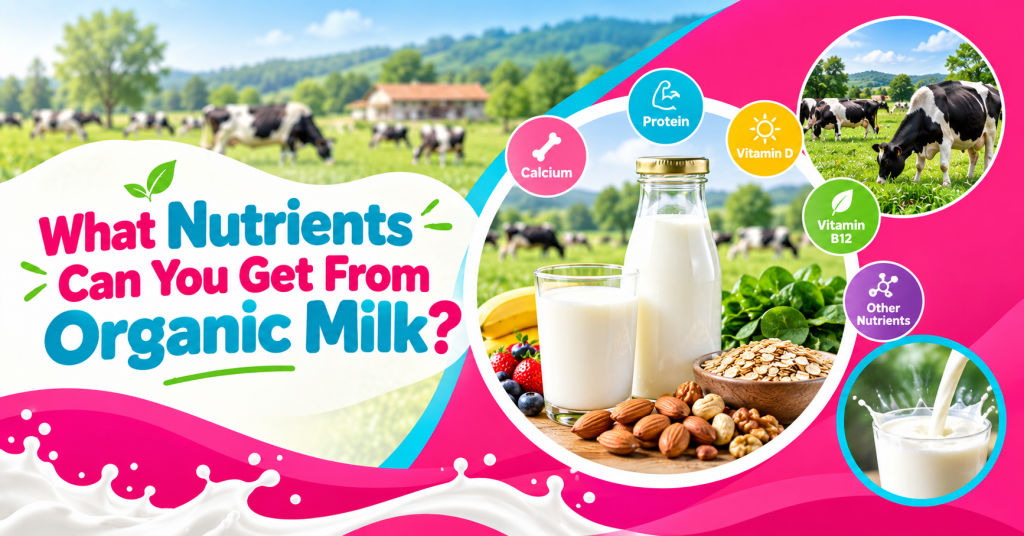
- Vitamin A, partly from beta-carotene in fresh grass, supports vision and immune function
- Vitamin D, when present, aids calcium absorption
- B-complex vitamins, including B12, support energy metabolism and nerve function
- Riboflavin contributes to how the body processes fats and proteins
These vitamins rarely work in isolation either, vitamin D supports how effectively the body uses calcium, while B-complex vitamins help the body make use of the protein and fat already present in the milk.
Minerals That Support Daily Function
Calcium gets most of the attention, but milk brings more to the table than that alone.
- Calcium supports bone density and is one of the most recognised benefits of dairy
- Phosphorus works alongside calcium for bone and teeth health
- Potassium supports fluid balance and healthy blood pressure levels
- Magnesium plays a role in muscle and nerve function
Mineral density in milk isn’t fixed, it shifts based on feed quality and how consistently a herd is managed across seasons.
How Farming Decisions Shape What You’re Actually Drinking
None of these nutrients appear in isolation, they’re all connected to decisions made well before milk reaches a bottle. Farms that prioritise pasture access, balanced supplementation and herd health over maximising short-term yield tend to produce milk with steadier nutrient density across the year. Farms cutting corners on feed quality might maintain similar volume output for a while, but the nutritional density behind that volume tends to decline gradually, often before anyone notices through taste alone.
Seasonal changes add another layer. The monsoon months are often better for grazing and the drier periods push farms toward supplemented feed. How a farm manages that shift says a lot about how consistent its milk’s nutrient profile stays throughout the year.
Making Sense of It as a Consumer
For someone standing in front of a shelf full of similarly labelled cartons, this can feel like a lot to track. A simpler approach:
- Look past the “organic” label alone and ask about actual feeding practices
- Prioritise sources that mention pasture access, not just certification
- Notice consistency in taste and texture across purchases, it’s often a signal of feeding consistency behind the scenes
- Favour farms or brands that are transparent about how their herds are raised
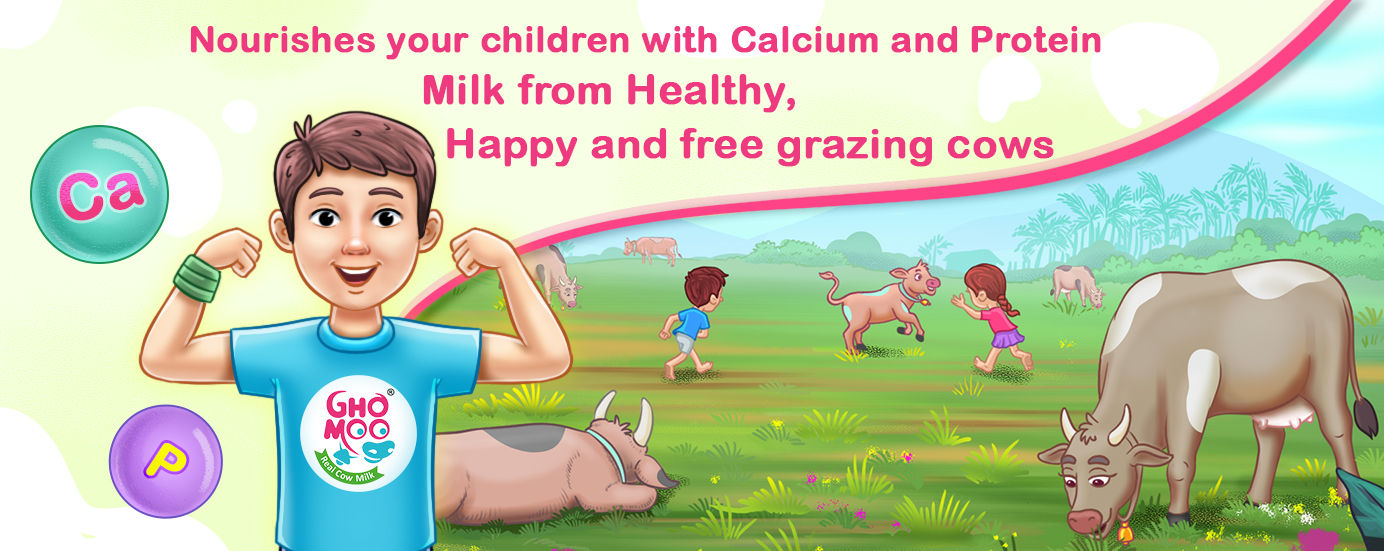
GhoMoo works directly with its own farm and a network of trained local farmers, focusing on pasture access and balanced nutrition rather than chasing short-term yield. That approach is part of why the milk holds a more consistent nutrient profile across seasons rather than varying unpredictably.
Making the Most of Your Daily Glass
Milk’s nutritional value was never just a fixed number printed on packaging, it’s the outcome of choices made on a farm long before delivery. Protein quality, fat composition, vitamin levels and mineral density all trace back to how a cow was fed and cared for. For households sourcing cow milk in Chennai and trying to make sense of nutrition claims, the more useful question isn’t which label a carton carries, but what actually went into producing what’s inside it.
Understanding that distinction turns milk from a routine grocery item into something worth choosing carefully, glass by glass. For households ready to make that shift, organic cow milk Chennai sourced from farms that treat nutrition management seriously offers a more dependable starting point.