
Most of us grew up hearing that a glass of milk a day keeps deficiencies away. But not all milk delivers on that promise anymore. Somewhere between the farm and your fridge, a lot of commercial milk picks up additives, hormones, and a few too many processing steps. What lands in your glass isn’t quite what left the cow. That gap is a big reason more Chennai households are now switching to organic cow milk in Chennai, picking purity over convenience and real nutrition over a longer shelf life.
Wondering if the switch is actually worth it? Here’s what organic cow milk does for your body, how it stacks up against the regular stuff, and why it matters that it’s sourced close to home.
What Makes Milk “Organic” in the First Place?
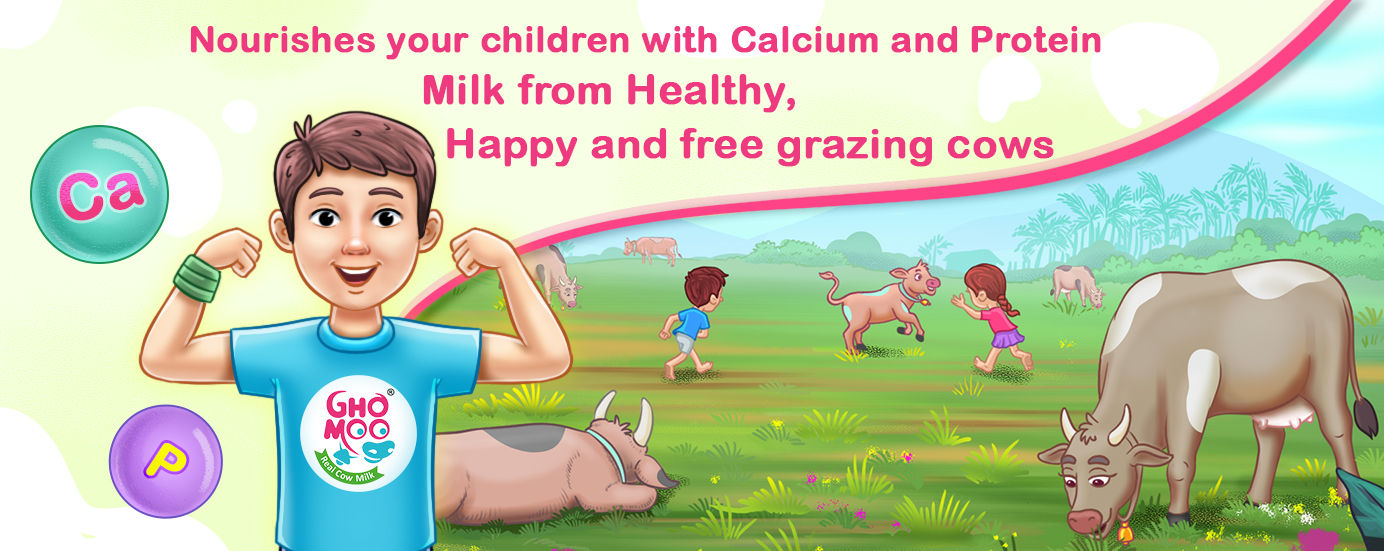
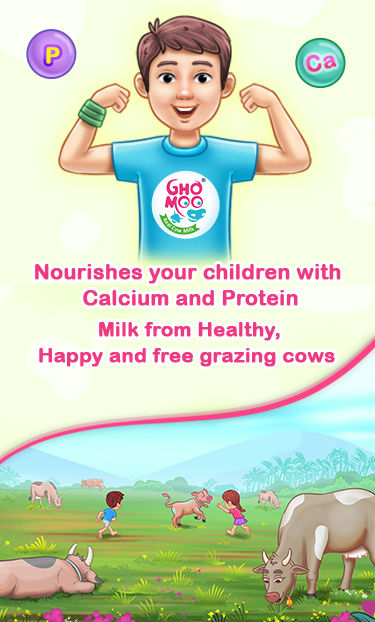
Organic cow milk comes from cows that never see synthetic pesticides, chemical fertilizers, antibiotics, or growth hormones. They graze freely, eat pesticide-free fodder, and live without the stress of factory-style confinement. And that shows up in the milk itself, in ways you can actually taste.
A few defining features of genuinely organic milk:
- No hormone injections used to boost milk yield
- No antibiotics fed to the cattle for faster growth
- Cows are grazed under natural sunlight instead of confined indoors
- Feed is grown without chemical pesticides
- Milk is collected and delivered without added preservatives
When any one of these is missing, the milk may still be called “fresh” or “pure,” but it isn’t truly organic.
The Nutritional Case for Organic Cow Milk
1. Higher Nutrient Density
Cows that spend their days on real pasture, eating grass instead of factory feed, simply produce better milk. The fat quality is different, and the nutrient profile is more balanced. Grass-fed dairy tends to carry more omega-3 fatty acids and conjugated linoleic acid (CLA), the kind of fats your heart actually benefits from, and that also help keep inflammation down.
2. Better Protein Quality
Milk protein supports muscle repair, immunity, and everyday cellular function. Organic milk from indigenous or desi cow breeds has a reputation for being easier on the gut, and a lot of people notice the difference firsthand. If regular milk leaves you bloated or uneasy, switching to an unprocessed, organic source often clears that up.
3. No Hidden Hormones or Antibiotics
Regular commercial dairy sometimes uses hormone supplements to push milk output higher, and over time, trace residues can end up in the supply. Organic milk sidesteps that problem completely. Hormone use isn’t allowed at any stage, from the farm to the packet.
4. Calcium and Vitamin D for Bone Strength
This part isn’t exclusive to organic milk, but it still matters. A daily glass is still one of the simplest ways to get calcium and vitamin D into your diet, and both are essential for bone density, whether you’re a growing child, an expecting mother, or someone past 50 watching their bone health.
5. Naturally Occurring Probiotics and Enzymes
Milk that isn’t ultra-processed retains more of its natural enzymes. This is one reason why traditional, minimally processed cow milk is often easier on the stomach than heavily pasteurized and homogenized alternatives sold in long-life packaging.
Organic vs Regular Cow Milk: The Real Difference
|
Factor |
Organic Cow Milk |
Regular Cow Milk |
|
Hormones |
Not used |
Sometimes used to boost yield |
|
Fodder |
Pesticide-free, natural |
Often chemically treated |
|
Antibiotics |
Avoided |
Commonly used |
|
Processing |
Minimal |
Frequently standardized or homogenized |
|
Cow environment |
Free grazing, stress-free |
Often confined |
The nutritional content of both types can look similar on paper. The real difference lies in what’s absent, meaning no synthetic additives, no antibiotic residue, and no artificial enhancement of yield.
Why Local Sourcing Matters for Milk Quality
Milk starts losing freshness the moment it leaves the cow. The longer it travels and the more hands it passes through, the more nutritional value it loses along the way. Buying local cuts that gap down to almost nothing.
Here’s what that actually gets you:
- Less time between milking and delivery, so the milk on your table is genuinely fresh
- Farmers who can be held to consistent, checkable standards, not a faceless supply chain
- Cold-chain delivery within the city that keeps spoilage risk low
- A direct economic boost to local farmers, which keeps sustainable dairy farming viable
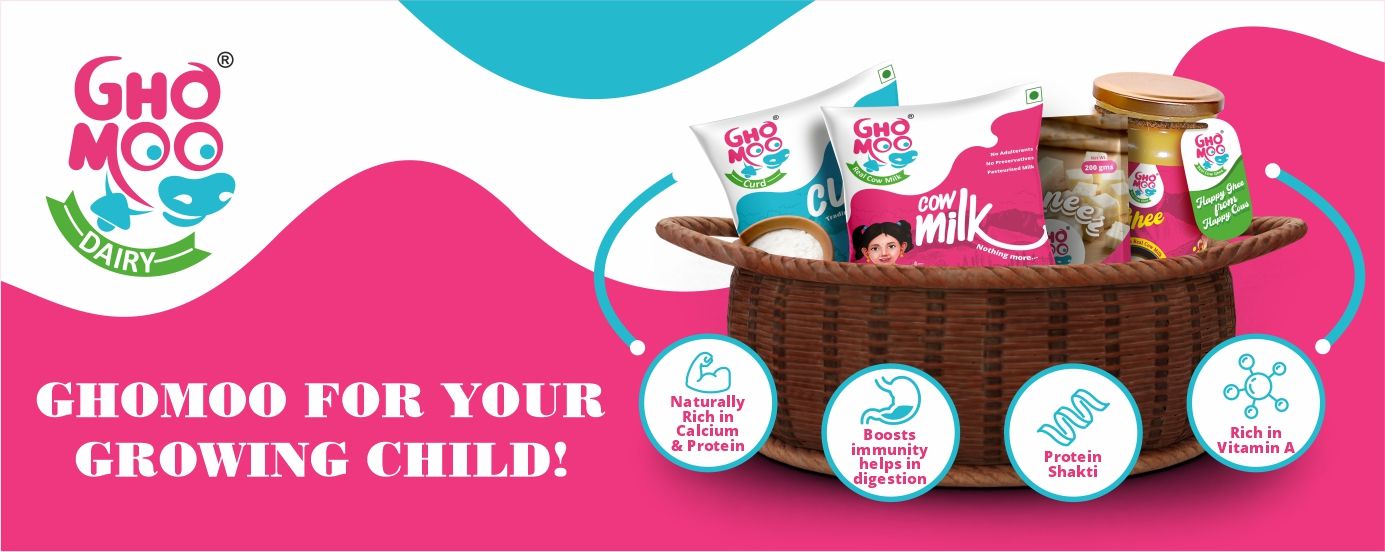
Chennai has an edge here that a lot of metro cities don’t. You can actually buy from dairies that work directly with local, trained farmers instead of routing milk through large-scale distribution networks. GhoMoo, for instance, sources its milk from its own farm and from trained local farmers across Chennai, chills it promptly, and moves it through a cold-chain delivery system to preserve freshness right up to your doorstep.
How to Identify Genuinely Organic Milk
Not everything labelled “organic” or “pure” on a packet actually meets the standard. Before you commit to a brand, ask a few questions:
- How are the cows fed, and are antibiotics or hormones used anywhere in the process?
- Is the milk sourced locally, or does it travel long distances before reaching you?
- Does the brand actually explain its farming practices, or just use the word “organic” as a label?
- Can you try a sample before signing up for a subscription?
- What do real customers say about consistency over months, not just their first order?
A brand that’s confident in its sourcing will answer these without hesitation. If you get vague answers or marketing fluff instead, that’s usually a sign to look elsewhere.
Simple Ways to Add Organic Milk to Your Daily Diet
You don’t need a complicated diet plan to benefit from organic milk. A few small habits go a long way:
- Start the day with a warm glass instead of reaching for packaged juice
- Use it as a base for homemade curd, paneer, or lassi
- Add it to your morning coffee or filter kaapi instead of milk powder
- Include it in a child’s diet as a natural calcium source, without added sugar
- Replace processed milk-based desserts with simple, milk-based sweets made at home
Because organic milk isn’t heavily processed, it tends to work better in traditional recipes where taste and texture actually matter.
Final Thoughts
Nutrition doesn’t have to be complicated. Sometimes it’s about going back to basics: milk that comes from a healthy, well-cared-for cow, without shortcuts, additives, or unnecessary processing. That’s the entire idea behind organic dairy, and it’s why the demand for it keeps growing across Indian cities.
If you’re in Chennai and looking to make the switch, choosing a trusted local source matters just as much as choosing “organic” on a label. GhoMoo works directly with its own farm and a network of trained local farmers to deliver organic cow milk in Chennai that’s tested for purity, chilled promptly, and brought to your doorstep through a proper cold chain, so what reaches your glass is as close to farm-fresh as city life allows.